Roof Maintenance Tips for Montana Homeowners
Published: July 12, 2026 | Reading time: 7 min
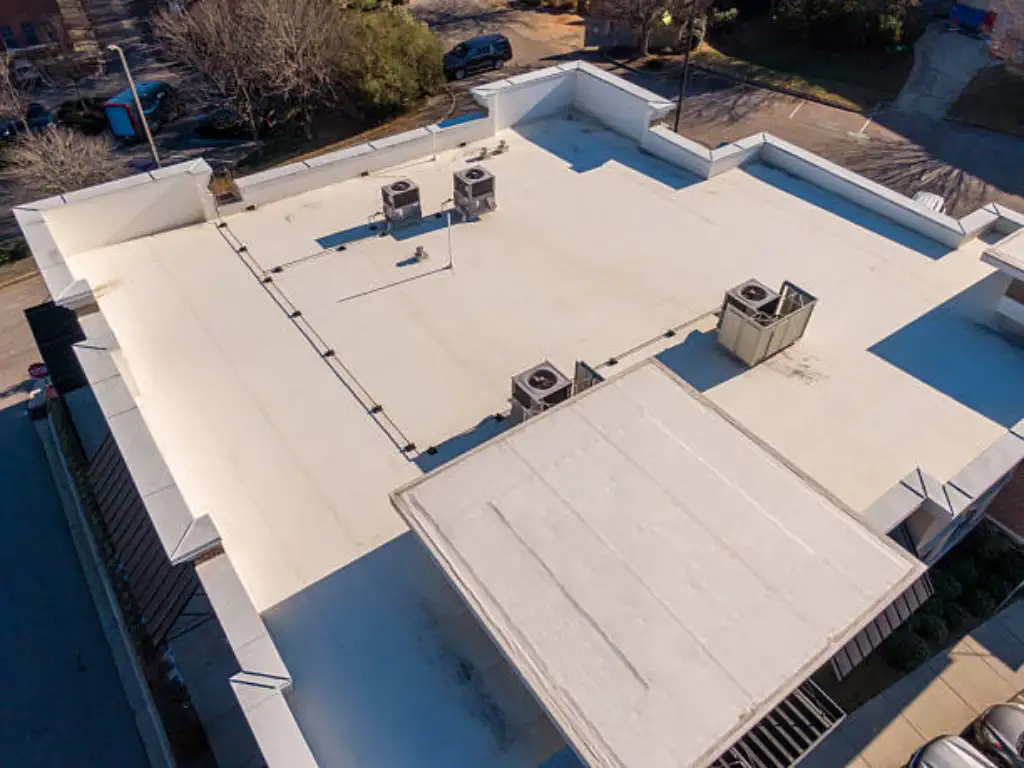
Montana's climate is beautiful, but it's tough on roofs. From sub-zero winter temperatures and heavy snow to summer hailstorms and high winds, your roof endures some of the most extreme weather conditions in the country. Proper maintenance is essential to ensure your roof performs well and lasts as long as possible.
The good news is that a little preventive maintenance goes a long way. With regular attention and timely repairs, you can extend the life of your roof by years and avoid costly emergency repairs. Here are the essential roof maintenance tips every Montana homeowner should know.
1. Clean Your Gutters Regularly
Clogged gutters are one of the most common causes of roof problems in Montana. When gutters are full of leaves, pine needles, and debris, water can't flow freely. During spring snowmelt or heavy rain, this can cause water to back up under your shingles, leading to leaks, rot, and ice dams.
Clean your gutters at least twice a year — once in late spring after the last snowmelt and once in late fall after the leaves have fallen. If you have trees overhanging your roof, you may need to clean them more frequently. Consider installing gutter guards to reduce maintenance and keep debris out.
2. Trim Overhanging Branches
Trees are beautiful, but branches that overhang your roof can cause several problems. They drop leaves and debris that clog gutters, they provide a pathway for squirrels and other animals to access your roof, and during storms, branches can break off and damage your shingles. In winter, snow and ice accumulation on branches can cause them to snap and fall on your roof.
Trim any branches that come within 10 feet of your roof. This simple step can prevent a surprising amount of damage and reduce the debris that accumulates on your roof and in your gutters.
3. Check for Signs of Damage After Storms
Montana's hailstorms and high winds can cause significant roof damage. After any major storm, take a walk around your property and look for:
- Missing, cracked, or curled shingles
- Dents or dings on gutters and downspouts
- Granules in your gutters (a sign of hail impact)
- Tree branches or debris on your roof
- Water stains on your ceiling or walls
If you notice any of these signs, schedule a professional inspection as soon as possible. Early detection is key to preventing minor damage from becoming a major problem.
4. Prevent Ice Dams
Ice dams are a common problem in Montana winters. They form when snow on your roof melts and refreezes at the eaves, creating a dam of ice that prevents water from draining properly. The trapped water can back up under your shingles and leak into your home.
To prevent ice dams:
- Improve attic insulation: Proper insulation keeps heat from escaping through your roof, which prevents snow from melting unevenly.
- Ensure proper ventilation: Good attic ventilation helps maintain a consistent roof temperature.
- Install ice and water shield: This waterproof membrane is installed under your shingles at the eaves to prevent water intrusion if ice dams do form.
- Remove snow from your roof: Use a roof rake to remove snow from the lower edges of your roof after heavy snowfalls.
5. Inspect and Maintain Flashing
Flashing is the metal material installed around chimneys, vents, skylights, and other roof penetrations to prevent water from seeping in. Over time, flashing can corrode, crack, or pull away from the roof surface. Inspect your flashing annually and have any issues repaired promptly.
If you notice rust, gaps, or loose flashing, contact a roofing professional to assess and repair it. Flashing repairs are relatively inexpensive but can prevent costly water damage.
6. Check Your Attic
Your attic can tell you a lot about the health of your roof. At least twice a year, go into your attic and look for:
- Signs of water stains or moisture on the roof deck
- Daylight coming through the roof boards (indicating gaps or holes)
- Mold or mildew growth
- Signs of pests or animals
- Proper insulation levels
- Adequate ventilation
If you notice any of these issues, address them promptly. A well-maintained attic is essential for a healthy roof.
7. Schedule Annual Professional Inspections
While DIY maintenance is valuable, there's no substitute for a professional roof inspection. Trained contractors can spot issues that homeowners miss and can safely access areas that are dangerous to reach. Learn more about roof inspections in Billings and why they're so important.
Schedule a professional inspection at least once a year, ideally in spring or fall. Many contractors offer free inspections, making it an easy and cost-effective way to protect your home.
8. Know When to Replace
Even with the best maintenance, every roof eventually needs to be replaced. Asphalt shingle roofs typically last 15-25 years, while metal roofs can last 40-70 years. If your roof is approaching the end of its expected lifespan, start planning for replacement. Read our guide on when to replace your roof in Billings for more information.
Waiting too long to replace an aging roof can lead to leaks, structural damage, and higher costs. Proactive replacement is almost always more affordable than emergency repairs.
Frequently Asked Questions About Roof Maintenance
How often should I clean my gutters in Montana?
At least twice a year — once in late spring and once in late fall. If you have trees overhanging your roof, you may need to clean them 3-4 times per year. Gutter guards can significantly reduce the frequency of cleaning.
Can I walk on my roof to inspect it?
We don't recommend walking on your roof unless you have proper safety equipment and experience. Roof surfaces can be slippery, and walking on shingles can cause damage, especially in cold weather when they're brittle. Use binoculars from the ground or hire a professional.
What is the most important roof maintenance task?
Keeping your gutters clean is arguably the most important maintenance task. Clogged gutters can lead to water damage, ice dams, and foundation problems. It's a simple task that prevents a host of expensive issues.
Does roof maintenance extend the life of my roof?
Absolutely. Regular maintenance can extend the life of your roof by 5-10 years or more. Simple tasks like cleaning gutters, trimming branches, and fixing minor issues promptly prevent small problems from becoming major repairs.